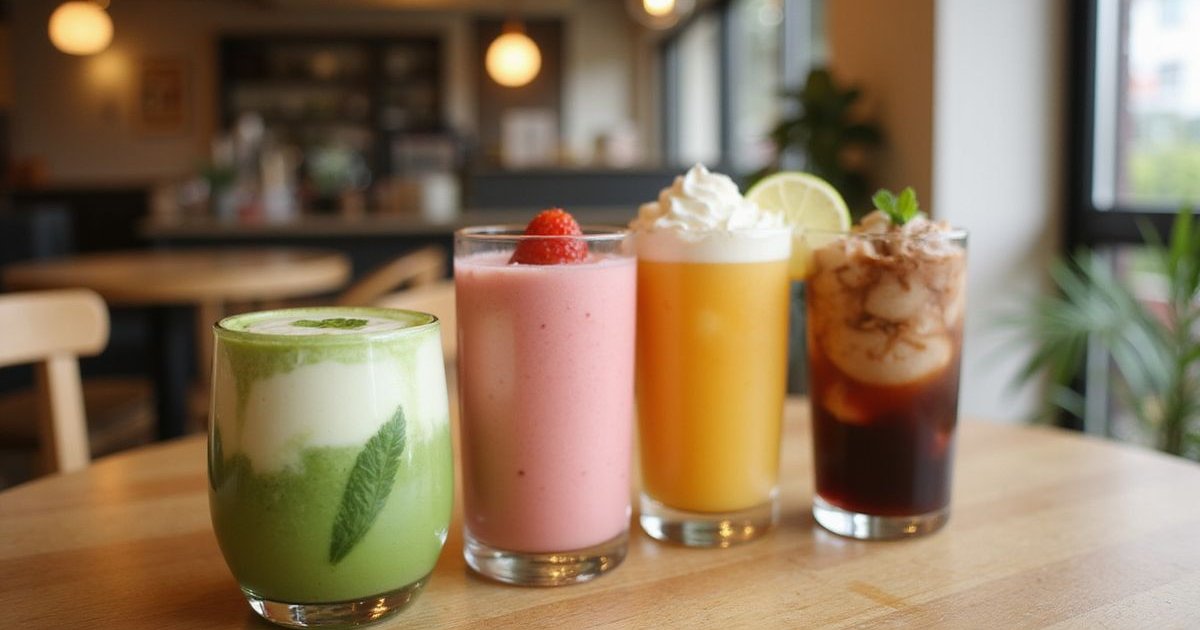
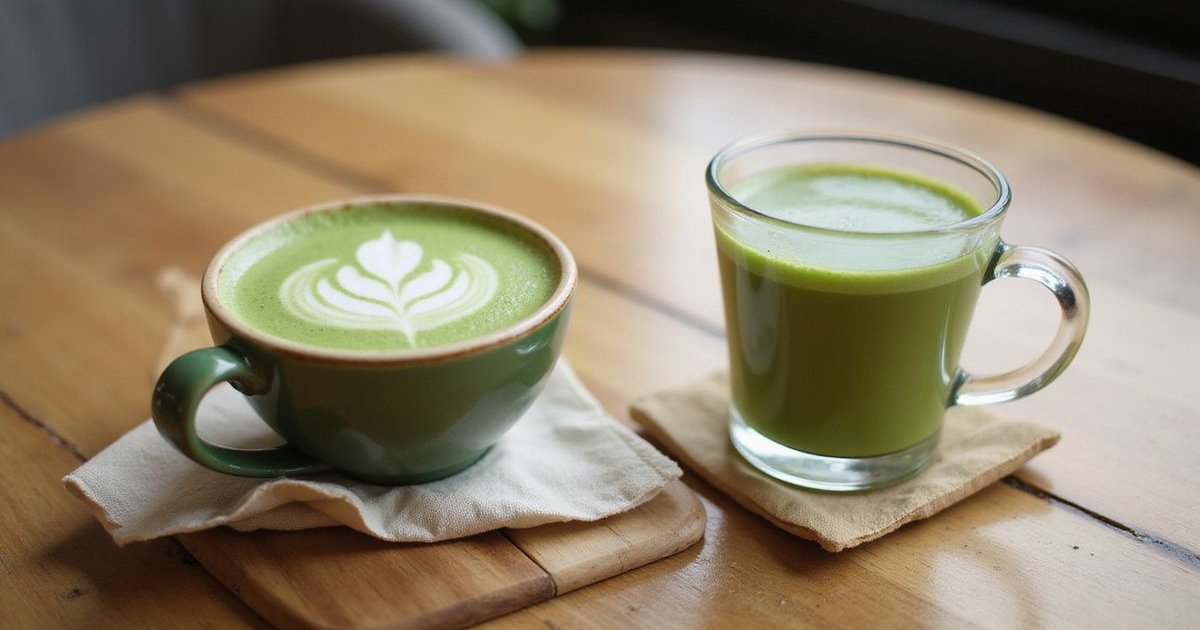
You see the hesitation at the counter every day. Guests stare at the menu, debating between the vibrant green latte and the classic steep.
We understand the dilemma. These drinks come from the same Camellia sinensis plant, but they deliver completely different experiences.
Our team wants to help you move past the guesswork. Let’s break down the science, the caffeine impact, and the flavor profiles to help you decide which one deserves a spot in your regular order.
The Core Difference: Cultivation and Processing
Most people assume the difference is just powder versus leaf, but it starts much earlier in the field.
Traditional Green Tea (Sencha)
Farmers grow standard green tea under full sunlight. This promotes the production of catechins, which gives the tea its characteristic astringency. We brew these loose leaves or bags in hot water and then remove them. You drink only the infused water, which contains water-soluble nutrients.
Matcha (Tencha)
Matcha cultivation requires a labor-intensive “shading” process. Farmers cover the tea plants for 20-30 days before harvest to block direct sunlight. This boosts chlorophyll levels and increases L-theanine production. The leaves are then steamed, dried, destemmed, and stone-ground into the fine powder you see in our cafe. When you drink matcha, you ingest the entire leaf suspended in water or milk.
The Takeaway: Green tea is an infusion. Matcha is a suspension where you consume the actual plant fiber and all its compounds.
Taste Comparison: What to Expect
The flavor profile is usually the deciding factor for our first-time customers.
Green Tea Flavor Profile
- Light and refreshing: Ideally suited for hot Malaysian afternoons.
- Vegetal notes: Reminiscent of fresh grass or seaweed.
- Astringency: A drying sensation on the tongue if steeped too long.
- Subtle sweetness: Very delicate and easily overpowered.
Matcha Flavor Profile
- Rich and savory: High levels of amino acids create a distinct “umami” taste.
- Creamy mouthfeel: The suspended powder adds body and texture.
- Intense vegetal flavor: Often described as “earthy” or “grassy.”
- Natural sweetness: Higher grade matcha has a sweet finish without added sugar.
The verdict: If you prefer subtle, palate-cleansing flavors, green tea is your best bet. If you enjoy bold, complex tastes that linger, matcha delivers more punch.
Caffeine Content: The Remote Worker’s Guide
We see many remote workers settle in for long sessions, and caffeine management is crucial for productivity.
Matcha latte vs green tea: which one should you order if you have a deadline?
The Numbers
| Drink Type | Est. Caffeine per 8oz (240ml) | Energy Effect |
|---|---|---|
| Steeped Green Tea | 30-50 mg | Gentle, short-term lift |
| Matcha (1 tsp) | 70-80 mg | Strong, sustained focus |
| Coffee | 95-140 mg | Rapid spike and potential crash |
The “L-Theanine” Effect
Matcha contains roughly three times more L-theanine than standard green tea. This amino acid promotes relaxation without drowsiness. It works synergistically with caffeine to prevent the jittery spike often associated with coffee.
Our remote working regulars prefer matcha for “alert calmness.” It provides the focus needed for deep work without the anxiety that comes from too much espresso.
Health Benefits: The Antioxidant Gap
Both beverages offer impressive health benefits, but the concentration levels differ drastically.
Green Tea
- Hydration: Being mostly water, it is excellent for fluid intake.
- Metabolic support: Contains catechins linked to fat oxidation.
- Heart health: Regular consumption is associated with reduced cardiovascular risk.
Matcha
- Antioxidant Powerhouse: A study from the University of Colorado found that matcha contains up to 137 times more EGCG (a potent antioxidant) than low-grade green tea.
- Full Absorption: You get 100% of the nutrients, including Vitamin C, selenium, and zinc.
- Detoxification: High chlorophyll levels aid in heavy metal detoxification.
A Note for Pet Owners
We love seeing your furry friends at Bubbs & Bites, but please be careful with your order. Both green tea and matcha contain caffeine, which is toxic to dogs and cats. A dropped matcha cookie or a spilled latte can be dangerous for a small pet. Keep your beverages on the table and out of reach of curious snouts.
The Latte Factor: Hidden Calories
Ordering a “Matcha Latte” changes the nutritional equation entirely.
Pure matcha has roughly 3 calories per serving. A matcha latte, however, includes milk and often sweeteners.
What to Watch Out For
- Sugar Content: Many cafes use pre-mixed matcha powders where sugar is the first ingredient.
- Milk Calories: A standard 12oz latte with whole milk adds about 150-170 calories.
- Plant-Based Options: Oat milk is delicious but often higher in calories and carbohydrates than almond or soy milk.
Our Tip: Always ask if the cafe uses “pure” matcha or a “sweetened mix.” At Bubbs & Bites, we use pure powder so you control the sweetness.
When to Choose Green Tea
Green tea is likely your best option when:
- You are sensitive to caffeine: You want a lift, not a buzz.
- It is late in the day: You need to wind down but want something warm.
- You want zero calories: Plain green tea is a guilt-free hydrator.
- You are pairing with food: The astringency cuts through rich or oily foods effectively.
When to Choose Matcha
Matcha is the superior choice when:
- You need a coffee replacement: You want high energy without the jitters.
- You missed breakfast: The caloric density of the milk in a latte can tide you over.
- You want maximum nutrients: You are drinking for the antioxidants.
- You need deep focus: The L-theanine content helps with studying or complex tasks.
Quality Matters: How to Spot the Good Stuff
Not all green powders are created equal.
Green Tea Signs
- Whole leaves: Avoid “dust” or broken fannings in tea bags if possible.
- Room to expand: Good tea bags are pyramid-shaped to let leaves unfurl.
Matcha Signs
- Color: High-quality matcha is a vibrant, electric green. Dull, olive, or brownish-yellow powder indicates oxidation or mature leaves (lower quality).
- Origin: Look for matcha from Uji or Nishio, Japan.
- Texture: It should be a silky powder, like eye shadow, not gritty or sandy.
Cost Comparison (Malaysia Context)
Cost is a practical consideration for a daily habit.
- Green Tea: An affordable luxury. A pot of premium loose leaf at a cafe typically costs between RM 8.00 and RM 12.00 and can often be refilled with hot water.
- Matcha Latte: Due to the processing costs and milk, a proper matcha latte in Malaysia usually ranges from RM 13.00 to RM 18.00.
We find that while matcha is an investment, the labor involved in its production justifies the price point for most enthusiasts.
Our Recommendation
Still undecided on the Matcha Latte vs Green Tea debate?
Order Green Tea if:
- You want a light, hydrating beverage.
- You are watching your budget.
- You enjoy the ritual of steeping.
Order a Matcha Latte if:
- You want a creamy, filling treat.
- You need sustained energy for work.
- You want the highest antioxidant boost possible.
Many of our regulars actually switch based on the weather. A hot green tea is perfect for a rainy afternoon, while an iced matcha latte saves the day when the Malaysian heat hits 32°C.
Experience Both at Bubbs & Bites
We serve both premium Sencha loose leaf and ceremonial-grade matcha from Uji. Our team prepares every latte with precision, using a bamboo whisk to ensure that perfect froth.
Whether you need a quiet corner to work or a spot to relax with your pet, we have the right cup for you.
Check out our Non-Coffee Drinks menu and discover your new favorite beverage!